
I like to highlight common unhelpful myths when it comes to neuro-differences, and also shine a light on strengths.
MYTH: "Dyspraxic people are just clumsy"
This myth significantly underestimates what dyspraxia actually is. While coordination difficulties can be part of dyspraxia, reducing it to “clumsiness” overlooks the broader and often invisible challenges people experience day to day.
Dyspraxia (also known as Developmental Coordination Disorder) affects how the brain plans, sequences and executes actions. This can impact fine and gross motor skills, but it can also affect organisation, time management, memory, processing speed, speech, fatigue and sensory processing. Many dyspraxic people spend huge amounts of energy consciously thinking about tasks others do automatically.
Because dyspraxia isn’t always obvious, people are often judged on outcomes rather than effort. Struggling to write neatly, take notes quickly, navigate unfamiliar environments, or juggling multiple tasks can be misinterpreted as carelessness or lack of attention. In reality, dyspraxic people are often highly capable thinkers who are working much harder behind the scenes to achieve the same results.
Labelling someone as “just clumsy” dismisses their lived experience and can discourage them from asking for support. Over time, this can lead to anxiety, reduced confidence and burnout, particularly in environments that prioritise speed and multitasking over thoughtful, strengths-based work.
If someone shares that they are dyspraxic, resist the urge to minimise it. Instead, listen and ask what aspects affect them most. Small adjustments, such as alternative ways of working, having a consistent workspace or additional processing time, can make a significant difference.
Understanding dyspraxia isn’t about lowering expectations. It’s about recognising different neurological starting points and creating conditions where people can perform at their best.
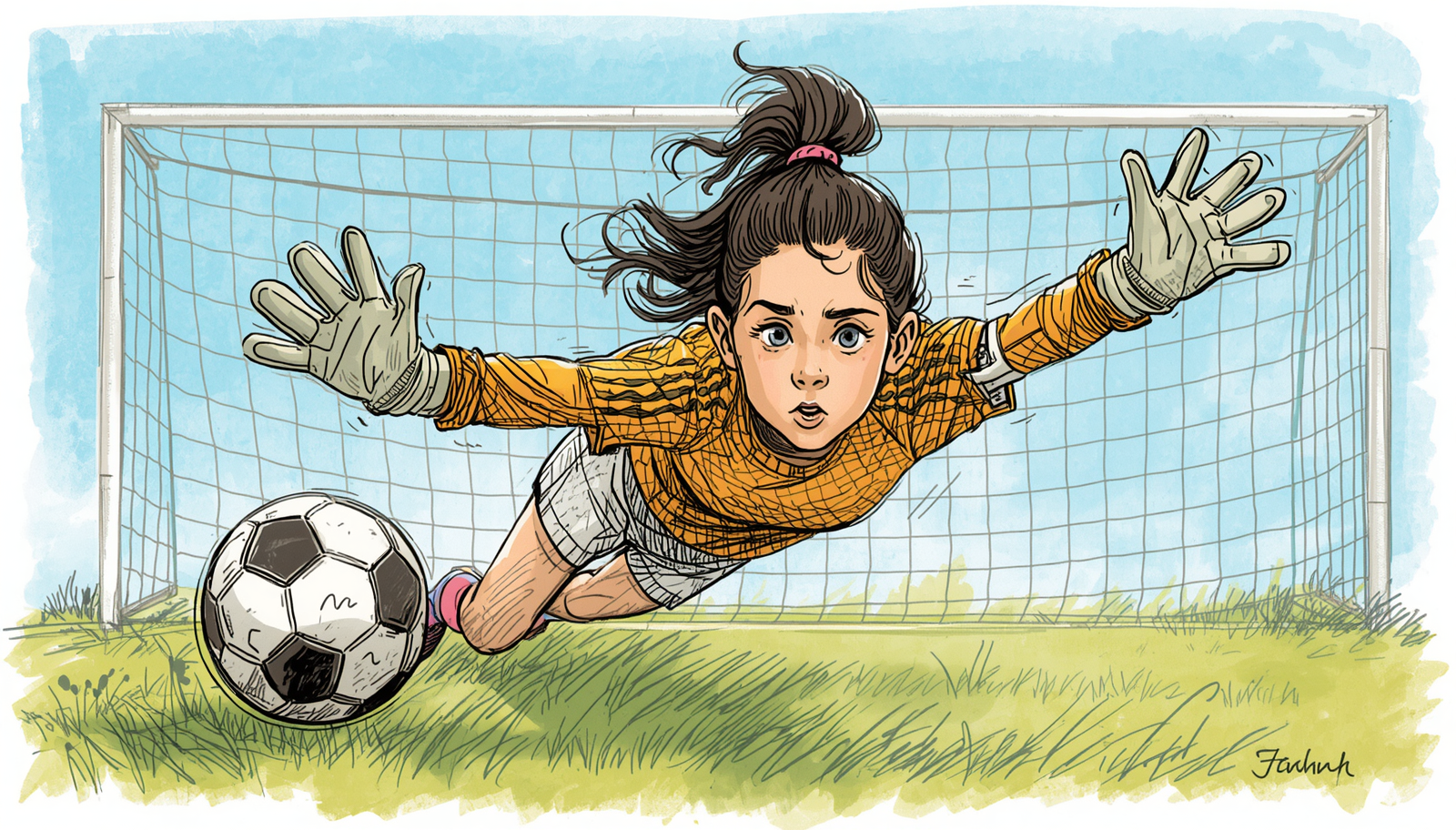
I would like to share a personal story of lived experience of dyspraxia. My daughter’s friend is dyspraxic, they are both in the same football team. She is a fantastic footballer and loves playing out in defence, however she also makes an amazing goalkeeper. A lot of people would assume that her dyspraxia would prevent her from having the hand-eye co-ordination or the quick reflexes to save goals but her dyspraxia doesn’t show up in this way. It is important that we don’t take a label and assume it means the same for everyone.
I talk more about myths around neurodiversity and mental health in my monthly newsletter - sign up to receive it straight to your inbox.